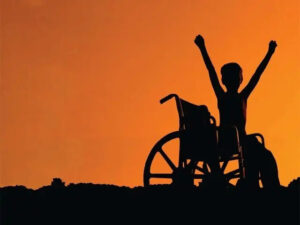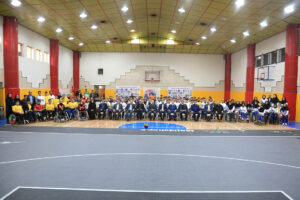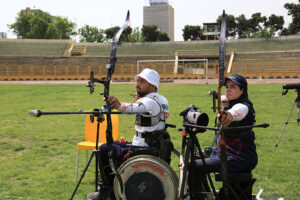
reaffirm that the value of disabled sports in society lies not in medal counts but in participation, health, dignity, and empowerment of individuals. Disabled sports emerges from the bond of science, humanity, and justice, where abilities gain meaning not despite limitations but through equal opportunities.
Scientific Benefits of Adaptive Sports
According to the Public Relations of the Disabled and Veteran Sports Federation, quoting the Sports Medicine Federation, modern adaptive sports science reveals that regular physical activity profoundly transforms the biological and psychological processes of people with disabilities—increasing muscle strength, improving balance and neuromuscular control, reducing chronic pain, enhancing mood, and boosting self-confidence through targeted scientific programs.
Social Impact and Development Pillars
Leading countries show Paralympic success becomes sustainable capital with accessible infrastructure, inclusive education, equipped clubs, and systematic support across society.
The Disabled and Veteran Sports Federation bases its development framework on four pillars:
-
Expanding community sports and fair talent identification nationwide, focusing on rural and underserved areas.
-
Transforming specialized training for coaches and referees using competency-based approaches and current scientific standards.
-
Deepening university collaborations for indigenous knowledge, innovative methods, and elevated national standards.
-
Establishing sustainable funding mechanisms for services, specialized equipment, and accessible infrastructure, especially in costly disciplines.
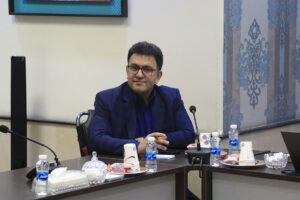
Dr. Jalil Koohpayehzadeh, President of the Federation